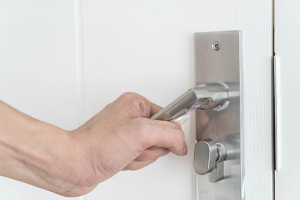
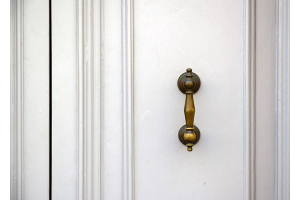
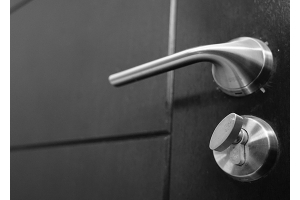
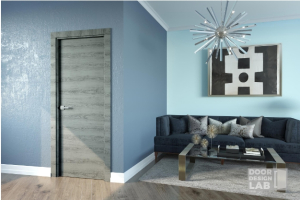
Privacy, passage, and dummy door handles each serve a specific purpose, so before making a purchase, you should clearly determine which function you need for each specific room.
In addition to style, finish, and color, the type of door handle is also an important consideration. Although knobs and levers essentially serve the same purpose—helping open and close a door—they differ in comfort, accessibility, durability, and overall appearance.
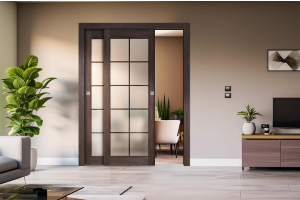
Bypass doors save space without sacrificing functionality. Sliding smoothly along parallel tracks, they work equally well in compact closets, modern room dividers, laundry areas, oversized pantry openings, and other rooms.
You can spend hours researching technical specifications, design options, finishes, and hardware to choose the perfect interior door—and still end up with an interior that, for some reason, doesn’t quite feel right.
Sliding bi-fold doors do more than divide space. They are architectural techniques that alter the interior geometry and save usable area in a house or apartment.
The door handle, often chosen last when buying door units, is the part you interact with most. Its materials and mechanics, including metal’s coldness, movement’s smoothness, and the lock’s click, leave abiding impressions. Purchasing the right hardware turns a door into a practical tool for daily life.
Choosing closet hardware might seem less important than the door. Yet this set, almost invisible, determines everything: smooth operation, noise, durability, and the overall interior feel.
We touch the door handle dozens of times a day without thinking about how it works. We pull it, push it, turn it, and expect one thing: the door should open smoothly.
A door lock is a mechanism that people tend to remember at the most inopportune moment: when the key won't turn, the door won't close, or security is suddenly called into question.